
.png?width=20&height=20&name=Icon%20(Stroke).png)

.png?width=20&height=20&name=Type=Outline%20(3).png)
.png?width=20&height=20&name=Type=Outline%20(2).png)
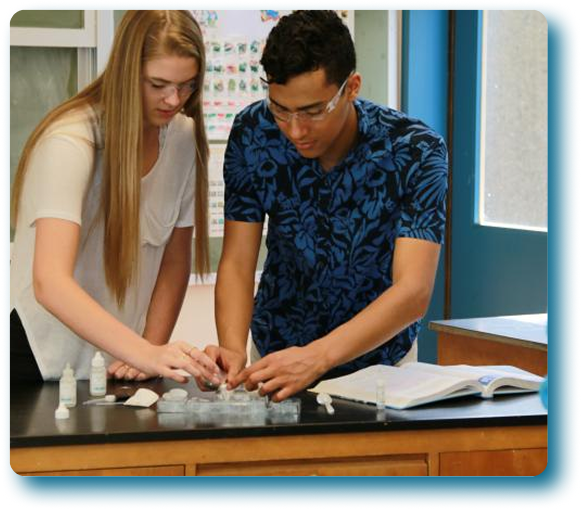

Marathon Runner
Why would a marathon runner become disoriented during the race, then go into a coma shortly after running the race? How does the human body maintain dynamic equilibrium and respond to internal and external changes in its environment?
 Instructional Time: 23-38 days
 Performance Expectations: HS-LS1-2, HS-LS1-3, HS-LS1-7
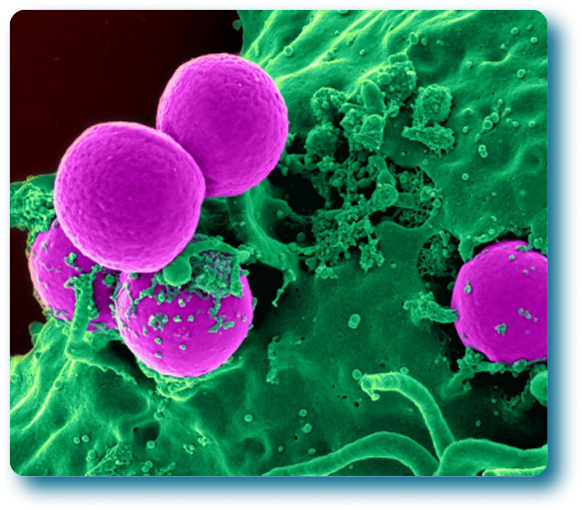
Humans vs. Bacteria
Will human society be able to develop new therapies and technologies in order to fight antibiotic resistant bacteria and the re-emergence of infectious bacterial diseases?
Instructional Time: 33-39 days
Performance Expectations: HS-LS4-2, HS-LS4-3, HS-LS4-4, HS-LS4-5, HS-LS2-8

Evolution of Sick Humans
How can we design an intervention that addresses the mismatch between human physiology or behavior and our modern environment?
Instructional Time: 31-40 days
Performance Expectations: HS-LS1-1, HS-LS3-1, HS-ETS1-2, HS-ETS1-3, HS-LS4-1
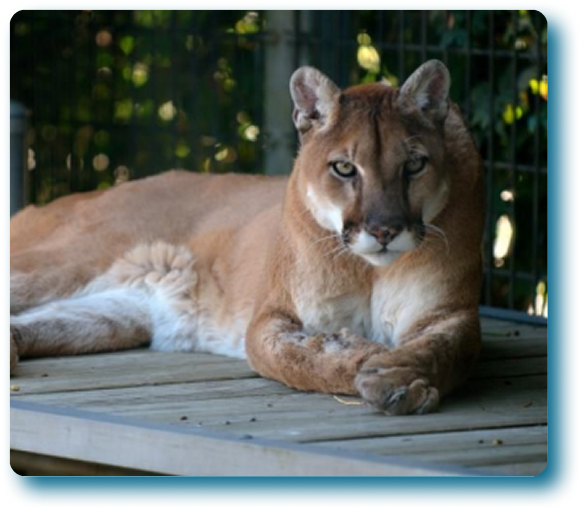
Saving the Mountain Lion
A mountain lion was hit by a car on a highway outside NYC. How did it get there, and what can this tell us about saving mountain lions?
Instructional Time: 22-24 days
Performance Expectations: HS-LS3-2, HS-LS1-8, HS-LS1-4, HS-LS4-3, HS-LS3-3
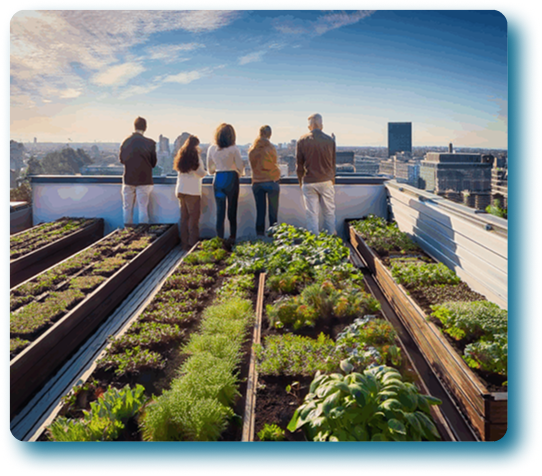
Food for All
What caused an epidemic of pellagra in the early 20th century? Why did it impact different groups of people disproportionately?
Instructional Time: 26-31 days
Performance Expectations: HS-LS2-1, HS-LS1-5, HS-LS2-4, HS-LS2-3, HS-LS1-6

Woolly Mammoth
What caused the woolly mammoth to go extinct? Should we bring the woolly mammoth back?
Instructional Time: 27-33 days
Performance Expectations: HS-LS2-7, HS-LS4-6, HS-LS2-2, HS-LS2-5, HS-LS2-6
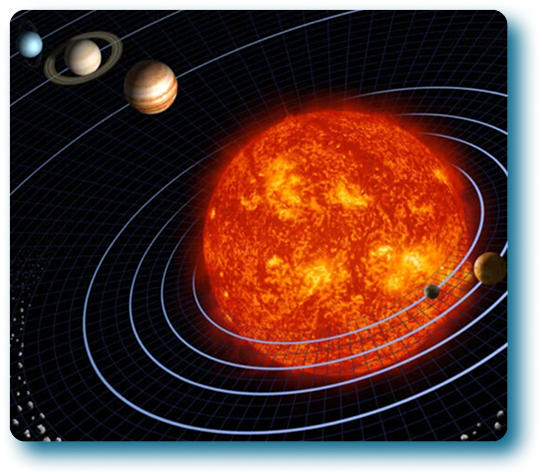
Discovering New Worlds
Based on understanding what makes Earth habitable, students make a defend a claim about which exoplanet in another solar system is most Earth-like and able to be a potential home for humans in the future.
Instructional Time: 23-29 days
Performance Expectations: HS-ESS1-1, HS-ESS1-3, HS-ESS1-4
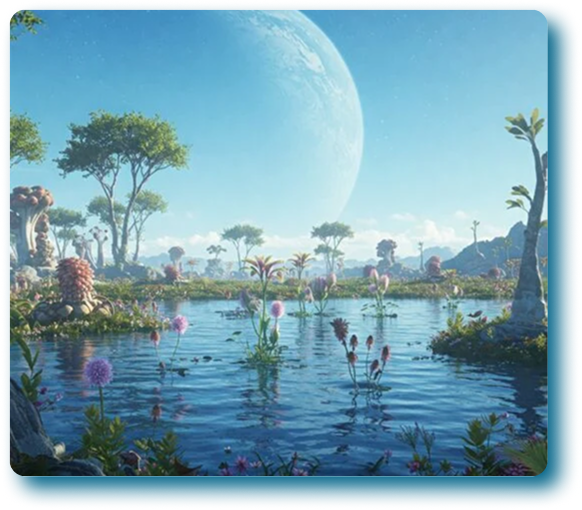
Probability of Life Elsewhere
It took almost 4.5 billion years for modern humans to emerge on Earth. Is it possible that life or intelligent life exists somewhere outside Earth, and if so, why have we not made contact?
Instructional Time: 28-34 days
Performance Expectations: HS-ESS1-6, HS-ESS2-5, HS-ESS2-7, HS-ESS1-2, HS-ESS1-4
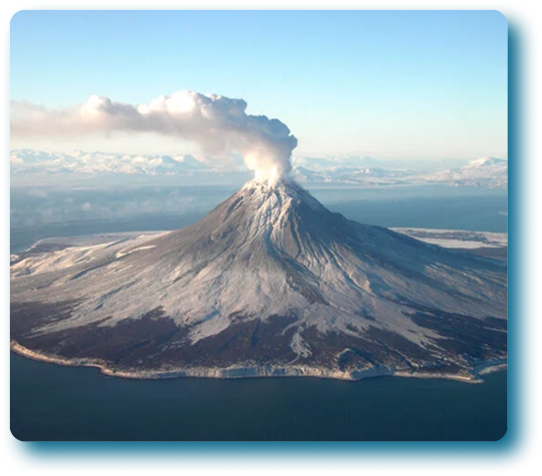
Earthquakes, Tsunamis, and Volcanoes: Who's at Risk?
In 2011, an earthquake and tsunami in Japan caused a nuclear disaster that we are still recovering from. In 2022, a volcanic eruption occurred at Tonaga that was heard thousands of miles away and produced a massive tsunami. Students will explore what locations on Earth are most at risk of loss of life and property caused by earthquakes, volcanic eruptions, or tsunamis in the near future and why populations live in these risky areas.
Instructional Time: 24-31 days
Performance Expectations: HS-ESS3-1, HS-ESS2-3, HS-ESS1-5, HS-ESS2-1
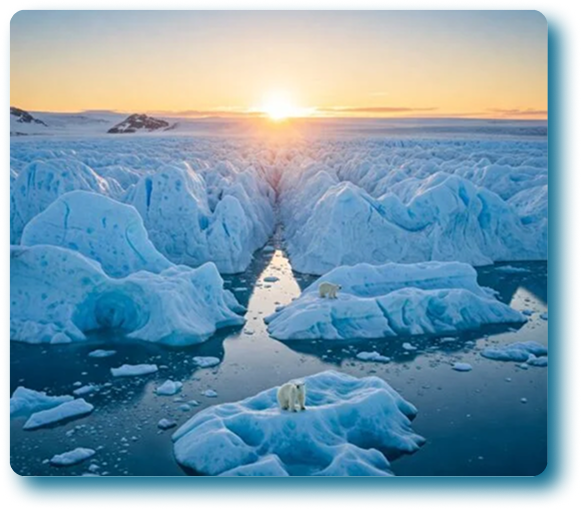
Climate Change
How do natural factors contribute to changes in Earth's temperature? What are 99.9% of climate scientists seeing in historical climate data that makes them so sure humans are the cause of climate change today, and why does it matter?
Instructional Time: 23-29 days
Performance Expectations: HS-ESS1-7, HS-ESS2-2, HS-ESS2-4, HS-ESS2-6, HS-ESS3-1, HS-ESS3-5

More Hurricanes and Blizzards in NYC?
Will there be more frequent and more intense severe storms in the future? Students will examine the processes that cause weather phenomena and how climate change can affect storm frequency and intensity to predict what might happen in the future.
Instructional Time: 26-41 days
Performance Expectations: HS-ESS3-5, HS-ESS1-7, HS-ESS2-8, HS-ESS2-5
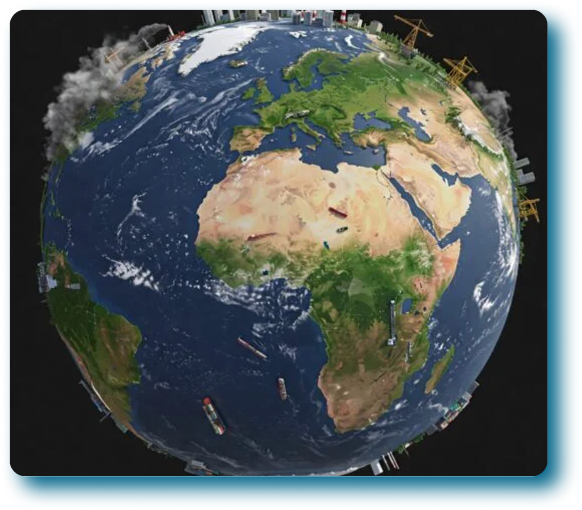
Solutions for a Sustainable Future
How can we model and evaluate solutions for a sustainable future to mitigate the environmental problems caused by humans? As the human population continues to grow so does our need for food, materials, and transportation. Students will explore how human activity has changed the environment and ecosystem around us and use data to create arguments for potential solutions.
Instructional Time: 25-31 days
Performance Expectations: HS-ESS3-4, HS-ESS3-6, HS-ETS1-3, HS-ESS3-3, HS-ETS1-4, HS-ESS3-2, HS-ETS1-2