.png?width=20&height=20&name=Icon%20(Stroke).png)

.png?width=20&height=20&name=Type=Outline%20(3).png)
.png?width=20&height=20&name=Type=Outline%20(2).png)

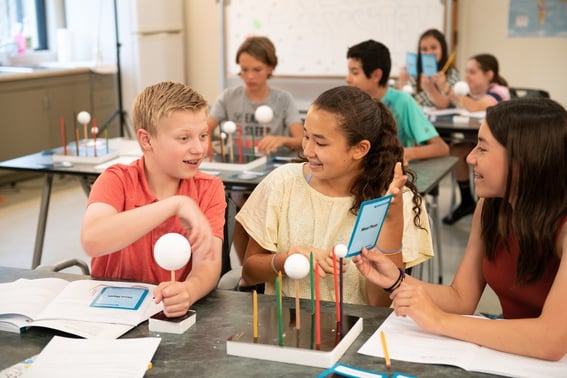
Building community in the classroom does not have to mean spending weeks on icebreaker questions before beginning your curriculum. Some of the best opportunities to build connections happen while students are learning!
For middle and high school students, the beginning of the school year is a chance to establish a classroom environment where students feel comfortable asking questions, sharing ideas, working with classmates, and participating in discussions. Research on belonging in schools highlights how feeling connected and supported can help students engage more fully in learning and take part in challenging academic tasks.
A strong classroom community is not created in a single day. It develops through the everyday interactions and shared experiences that happen throughout the school year. Here are a few ways teachers can get started.
1. Start by Learning Names
Learning students’ names is one of the simplest ways to begin building community in the classroom. Getting to know one another does not have to involve a formal introduction activity.
Look for simple ways to help students learn their classmates’ names while giving them opportunities to share a little about themselves. This could include a quick partner conversation, a class poll, or a question students answer as they enter the classroom.
Try activities such as:
- Name and Question: Have students introduce themselves to a partner and answer a quick question about a hobby, interest, class, or something they are looking forward to this year.
- Partner Introductions: Give students a few minutes to learn more about a partner before introducing that person to the class or a small group.
- Silent Line Up: Ask students to arrange themselves alphabetically by first name without speaking. This encourages students to interact and problem solve while learning names.
The goal is not to require students to share personal information. Instead, these activities give students a natural way to begin interacting with their classmates.
2. Give Students Opportunities to Connect
Once students know some of their classmates’ names, give them opportunities to discover common interests and learn more about one another.
Short questions can work well as class warm ups, partner conversations, or discussion starters. Consider questions such as:
- What is something you are looking forward to this school year?
- What is a hobby or sport you enjoy most?
- What is a subject you are interested in learning more about?
- If you could learn any new skill, what would it be?
- What is a place you would like to visit?
You can also use quick polls to get students moving and talking. Giving students different ways to respond can make participation feel more comfortable and help start conversations between classmates.
Keep the questions appropriate for your students and avoid requiring anyone to share information they would prefer to keep private.
3. Build Collaboration Into the First Weeks
Collaboration can be one of the most effective ways to build community in the classroom because students are connecting while working toward a shared goal.
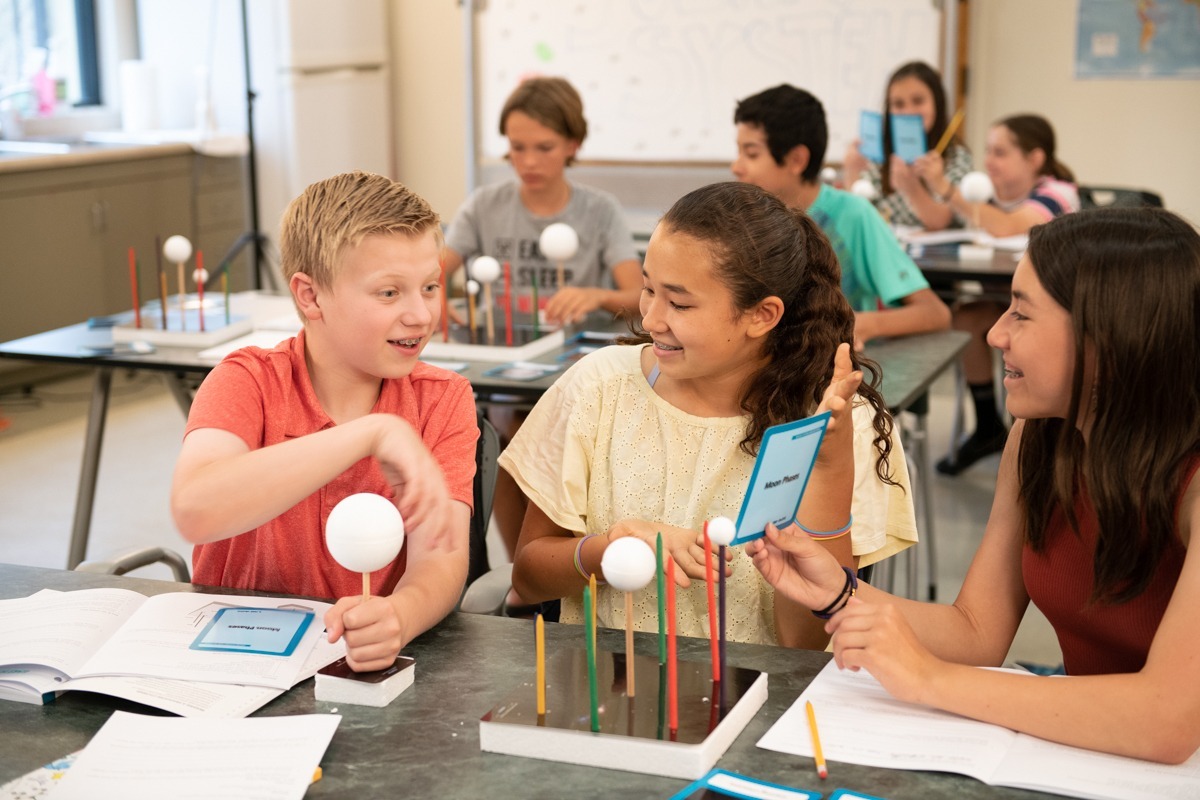
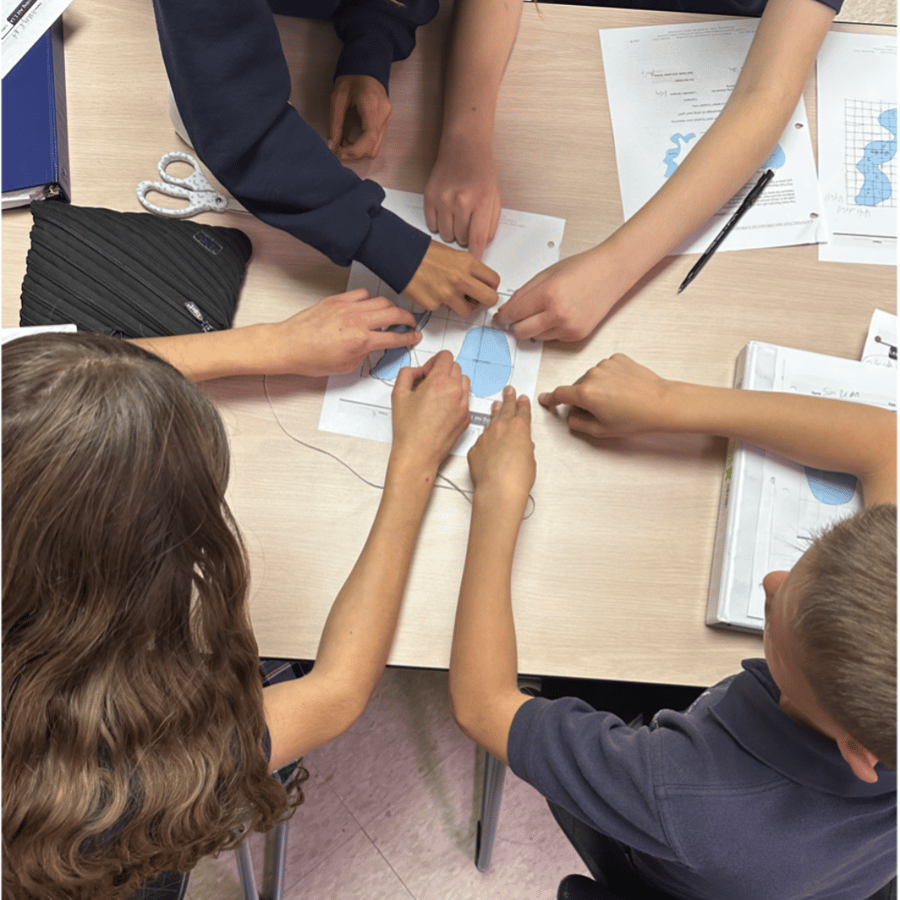
Give students a challenge that requires them to communicate, make decisions, and solve a problem together. Depending on your classroom and subject area, students could complete a logic challenge, analyze a set of information, solve a problem, design a solution, or work with a limited set of materials to complete a task.
As students work, pay attention to how they communicate, share responsibilities, listen to different ideas, and respond when their first approach does not work. The goal is not simply to see which group finishes first. These activities can help establish a classroom culture where students are expected to contribute, listen, and work through challenges together.
4. Make Collaboration Part of Your Routine
Building community in the classroom should continue after the first week of school. Instead of treating it as something that only happens during back to school activities, look for ways to incorporate collaboration into regular lessons.
Students might discuss a question with a partner before beginning an assignment, compare different approaches to a problem, or work in small groups to analyze information.
You can also give students opportunities to interact with different classmates throughout the year. Regularly changing partners or groups can help students become more comfortable working with a variety of peers instead of always relying on the same classmates.
These small interactions can gradually make collaboration feel like a normal part of the classroom.
5. Give Every Student a Way to Participate
Not every student will feel comfortable speaking in front of the entire class, particularly at the beginning of the school year. Providing different ways to participate can help make classroom discussions more accessible.
Students might begin by writing down their ideas, discussing a question with a partner, contributing to a small group, or sharing their group’s thoughts with the class.
Starting with lower pressure opportunities can also help students build confidence. As students become more comfortable, teachers can gradually introduce more opportunities for discussion, collaboration, and student-led activities.
The goal is to create a classroom where students have meaningful ways to contribute without feeling pressured to participate in a particular way.
6. Connect Community Building to Learning
Community building and academic learning do not have to be separate. In fact, some of the best opportunities for students to connect happen while they are actively learning together.
In science classrooms, students can work together to make predictions, analyze evidence, discuss phenomena, develop explanations, or evaluate possible solutions. In math classrooms, students can compare strategies, explain their reasoning, and work together to solve challenging problems.
These activities allow students to practice important academic skills while becoming more comfortable sharing ideas with their classmates.
When collaboration is built into everyday instruction, students begin to see their classmates as learning partners. This can help create a classroom environment where asking questions, sharing ideas, and working through challenges together are part of the learning process.
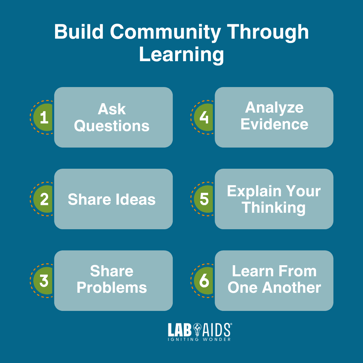
Why Is Building Community in the Classroom Important?
Students learn more than academic content when they work together. They also develop communication, collaboration, problem solving, and critical thinking skills.
A classroom where students feel comfortable working with their peers can make it easier for them to ask questions, explain their thinking, and consider different perspectives. This is especially important in science and math classrooms, where students are often asked to investigate problems, analyze information, discuss evidence, and explain their reasoning.
Building community early in the school year can help establish these expectations from the beginning.
Building Community Takes Time
There is no single activity that will instantly create a strong classroom community. Building community in the classroom is an ongoing process that develops through consistent interactions, routines, and opportunities to work together.
As you plan for the new school year, think beyond the first day. Look for small ways to help students learn names, connect with classmates, collaborate, and feel comfortable contributing.
Start small, pay attention to what works for your students, and give your classroom community time to develop. A welcoming and collaborative classroom is built through the many interactions that happen throughout the school year.
Learn more about creating engaging, collaborative learning experiences with Lab-Aids.

Frequently Asked Questions:
How do you build community in the classroom?
Building community in the classroom starts with creating opportunities for students to get to know one another and develop trust. Teachers can use name activities, collaborative challenges, discussion questions, partner work, and classroom routines that encourage students to communicate and participate.
What are some back to school activities for building classroom community?
Some effective back to school activities include name games, classroom bingo, “This or That” questions, team challenges, collaborative puzzles, movement activities, and partner discussions. Choose activities that match your students' ages, comfort levels, and classroom environment.
How long does it take to build a classroom community?
Building a classroom community is an ongoing process rather than something that happens during the first few days of school. Consistent opportunities for students to collaborate, communicate, and learn about one another can help strengthen classroom relationships throughout the school year.
How can teachers include quieter students in community building activities?
Give students multiple ways to participate, including writing, partner conversations, small group activities, and whole class discussions. Starting with low pressure activities can also help students become more comfortable participating over time.
You Might Also Like…