
Summer Academy
June 23-25, 2026
Breckenridge, CO
Summer Academy | 2026
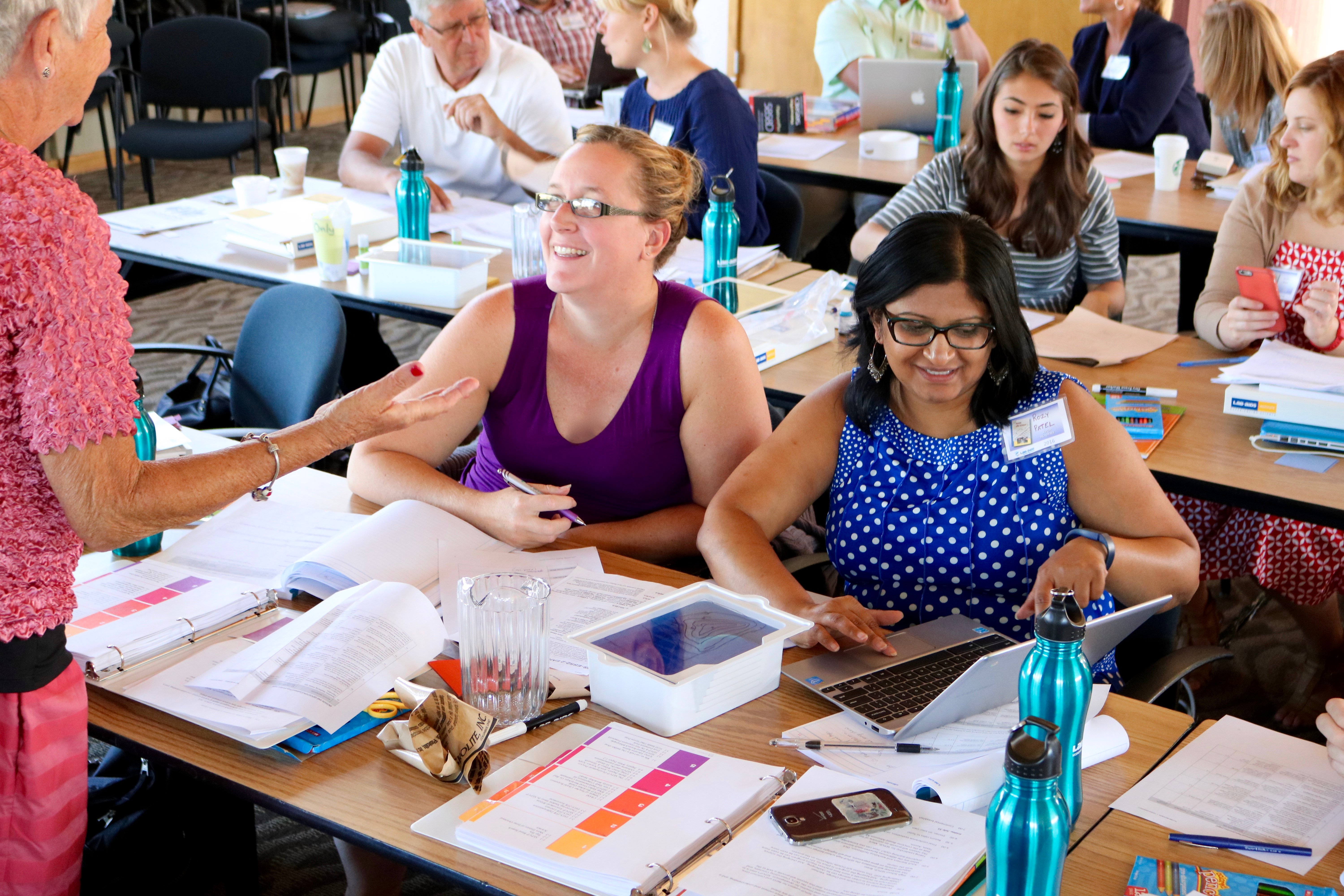
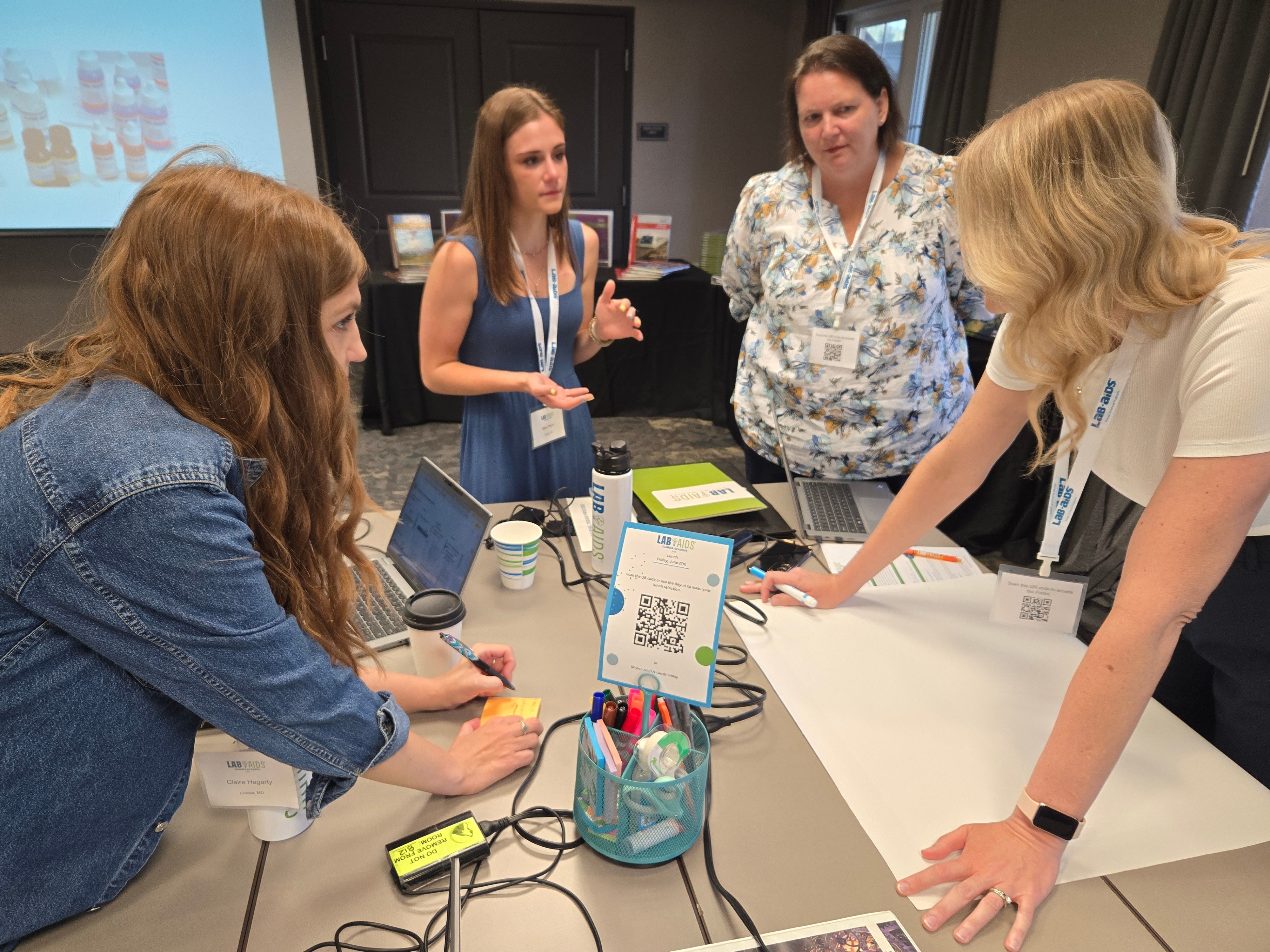
The Lab-Aids Summer Academy offers a highly engaging and fully interactive seminar working with experts in the field of science education.
Both time in the Academy and social time after hours create a unique opportunity for educators to meet peers from across the country to share ideas and make connections in the Lab-Aids community.
The Academy focuses on a foundation of required courses in assessment, literacy, and sensemaking, while also investing time on additional core foundations of the SEPUP program.
Breckenridge, CO
June 23-25, 2026
$1,995*
*Early pricing through March 1
Tuition Includes
A Collaborative Experience
Join Issues and Science educators from across the country in Colorado to improve your use of materials from Lab-Aids and SEPUP (from The Lawrence Hall of Science, University of California, Berkeley).
Designed for teachers who want to increase classroom effectiveness and for administrators seeking to take leadership and develop their local capacity for Issues and Science. Below is a list of past program content.
SEPUP & the NGSS
Issues and Science: Redesigned for the NGSS addresses a true three-dimensional approach to meeting the challenges of the NGSS. This session will provide an in depth look at the development process and the instructional materials.
Writing to Learn in SEPUP
This section will explore elective techniques for writing in the SEPUP classroom, including the use of science notebooks, pre-and post-writing strategies, and reactive writing prompts.
Adult Learning Styles
What is your preferred learning style? Participants will assess their own learning styles, using Kolb’s learning style profile, with an application to using learning style research in planning workshops and professional development experiences for teachers.
Research in SEPUP
The SEPUP research base includes developmental studies, impact research, case studies and quasi-experimental designs. This section will provide an overview and an annotated bibliography of SEPUP research.
Planning & Learning SEPUP Workshops
Lab-Aids leads workshops for more than 5000 teachers per year, including initial user training, follow up workshops and stand alone workshops at state and national meetings. We’ll share our pre-workshop planning procedures and detailed training guides.
Using Issues to Teach Science
This session will use existing and planned SEPUP materials to explore the uses of societal and environmental issues in middle level and high school science teaching. The session will cover the goals for teaching with issues, how to adapt curriculum to become more issue-oriented, and the evolution of SEPUP instructional design.
Assessing Student Performance in SEPUP
This is an in-depth look at SEPUP’s nationally acclaimed assessment system. Topics include an in-depth look at the elements of SEPUP assessment, including tasks, variables, rubrics, blueprints, and student work exemplars. Participants will moderate several samples of student work.
Support for Literacy in SEPUP
This session will explore SEPUP’s strategies for supporting reading comprehension, written and oral language, and media literacy.
Inquiry in SEPUP
What’s the difference between open and guided inquiry? What are the essential elements of inquiry? How does SEPUP support inquiry? These and related topics will be investigated in this hands-on session.
SEPUP & the NGSS
Issues and Science: Redesigned for the NGSS addresses a true three-dimensional approach to meeting the challenges of the NGSS. This session will provide an in depth look at the development process and the instructional materials.
Inquiry in SEPUP
What’s the difference between open and guided inquiry? What are the essential elements of inquiry? How does SEPUP support inquiry? These and related topics will be investigated in this hands-on session.
Research in SEPUP
The SEPUP research base includes developmental studies, impact research, case studies and quasi-experimental designs. This section will provide an overview and an annotated bibliography of SEPUP research.
Writing to Learn in SEPUP
This section will explore elective techniques for writing in the SEPUP classroom, including the use of science notebooks, pre-and post-writing strategies, and reactive writing prompts.
Adult Learning Styles
What is your preferred learning style? Participants will assess their own learning styles, using Kolb’s learning style profile, with an application to using learning style research in planning workshops and professional development experiences for teachers.
Support for Literacy in SEPUP
This session will explore SEPUP’s strategies for supporting reading comprehension, written and oral language, and media literacy.
Assessing Student Performance in SEPUP
This is an in-depth look at SEPUP’s nationally acclaimed assessment system. Topics include an in-depth look at the elements of SEPUP assessment, including tasks, variables, rubrics, blueprints, and student work exemplars. Participants will moderate several samples of student work.
Planning & Learning SEPUP Workshops
Lab-Aids leads workshops for more than 5000 teachers per year, including initial user training, follow up workshops and stand alone workshops at state and national meetings. We’ll share our pre-workshop planning procedures and detailed training guides.
Using Issues to Teach Science
This session will use existing and planned SEPUP materials to explore the uses of societal and environmental issues in middle level and high school science teaching. The session will cover the goals for teaching with issues, how to adapt curriculum to become more issue-oriented, and the evolution of SEPUP instructional design.
Dr. Lisa Kelp
EVP, Chief Academic Officer
Lisa Wissert
Education and Curriculum Specialist
Hethyr Kreger
Director of Publications
Stephanie Wallace
Sales Operations Manager
Vaughn Smith
Teacher and Trainer
Dr. Ben Koo
Director of SEPUP, UC Berkeley
Ed Miller
Teacher and Trainer
Dr. Rachel Fisher
Research and Assessment Specialist
Misty Richmond
James Ward, Chicago Public Schools
ACADEMY LOCATION
Breckenridge, Colorado
As the largest historic district in Colorado, Breck’s past is full of stories, legends, and characters. What started as a gold-rush base camp in the 1850s is now a bustling town that mixes western hospitality with Victorian architecture. It is now a modern-day hot spot for summer and winter adventures.
Academy Dates: June 23-25, 2026
Arrival: June 22, 2026
Departure: June 26, 2026
Location: Marriott Residence Inn | Breckenridge, CO
Transportation will be provided to and from the Denver International Airport to the conference location.